%20Logo%20Black%20over%20White.png)
Film Review: Wake Up Dead Man (2025)
- Alex Kelaru
- 2 days ago
- 2 min read
This is the strongest entry in the series so far, a film that blends sharp humour with a darker and more grounded story that feels surprisingly mature for a Knives Out mystery.
The film follows young priest Jud, played by Josh O’Connor, who arrives in a small-town parish to assist Father Jefferson Wicks. Wicks, played with great energy by Josh Brolin, is far from the gentle priest you might expect. He preaches not about love or forgiveness but about fighting back against a world that he believes is always ready to strike. His sermons are fierce, his presence is explosive and he creates an environment that is both unsettling and fascinating.
The story begins with the usual Knives Out charm. Quirky characters fill the parish, each with their own secrets and oddities. Glenn Close plays the devoted administrator who keeps the church running. Andrew Scott appears as a sci-fi writer searching for inspiration, hoping to turn his Substack into something meaningful. Jeremy Renner plays a heartbroken doctor who retreats into the darker corners of the internet. Kerry Washington is a talented lawyer whose choices are shaped by her parents’ expectations, and Mila Kunis is the local sheriff who is open to any method that might help her solve a case. It is a colourful crowd, performed by actors who clearly know how to embrace the absurdity of these roles.


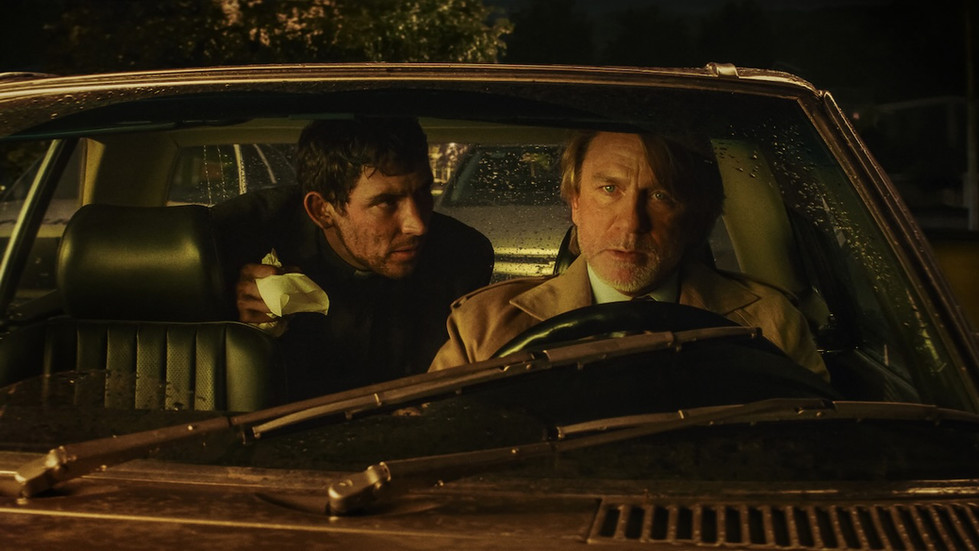
But the film belongs to Josh O’Connor. Jud is the emotional centre, a young priest trying to fit into a community that quickly becomes suspicious of him. They are desperate for attention, desperate for someone to blame and Jud’s quiet, troubled past makes him an easy target. What makes his character compelling is not his fear of being accused but the guilt he carries from events he tries to leave behind. O’Connor shows this with subtle expressions, small gestures and a sense of vulnerability that makes him the most human character in the film.
Some of the best scenes come from Jud’s conversations with Wicks. Brolin and O’Connor bring real weight to their discussions about faith, morality and the role of priests as guides in a world that feels increasingly polarised and judgemental. These moments lift the film beyond a simple mystery and give it an emotional depth the previous entries did not aim for.
Rian Johnson’s writing remains sharp and witty. The twists and turns that define the series are all here, teamed with Benoit Blanc’s familiar mannerisms and clever deductions. Yet there is a slight shift in tone. The humour is still present, but it is balanced with a more grounded story that explores guilt, responsibility and the limits of faith. Johnson takes a risk by toning down the exuberance of the second film and that choice strengthens the experience.
The result is a clever and engaging murder mystery that still feels like a Knives Out story, but with richer themes and more emotional weight. It is easily the most accomplished of the three films and one that rewards both fans of the genre and those who come in simply looking for a compelling story.
